Training by industry
Guidance to help you choose the right courses for your sector.

Catering
Catering means large volumes, tight timings and food that often travels or is held before service. Training for caterers needs to focus on batch cooking, cooling, hot-holding and transport.
Retail
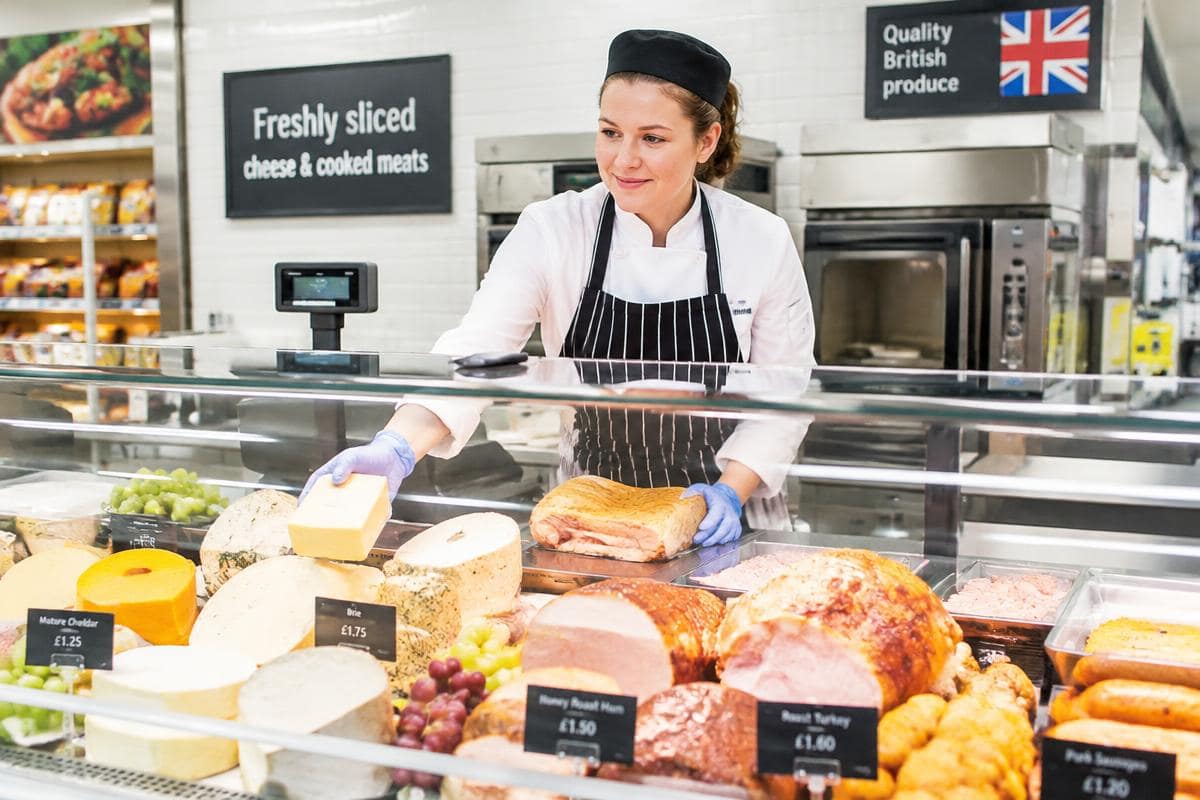
Food retail ranges from handling sealed products on shelves to slicing open food on deli counters. Training should match whether staff handle wrapped goods or open, high-risk food.

Manufacturing
Manufacturers operate under detailed HACCP plans, customer standards and often third-party audits. Hygiene training should support site procedures, not replace them.

Home Bakers
If you sell cakes, bakes or treats from home regularly and in an organised way, you are a food business. You must register at least 28 days before you start trading, and follow food hygiene law like any other business.
More pathways
- Restaurants & CafésBusy services, mixed menus and constant customer questions about allergens make restaurants and cafés a demanding environment for food safety.
- TakeawaysTakeaways juggle high volumes, cooked-to-order and pre-cooked items, and packaging for delivery, and each one brings its own risks.
- Schools & ChildcareYoung children are at higher risk from food poisoning, and they may not be able to explain their symptoms or what they cannot eat.
- Food DeliveryDistance selling brings extra duties: allergen information must be available before purchase and at delivery, and temperature must be controlled in transit.
- Small BusinessesSmall businesses such as market stalls, food vans and micro-bakeries have the same core legal duties as larger operations, often with fewer people and resources.