

Food Hygiene for Retail
Food retail ranges from handling sealed products on shelves to slicing open food on deli counters. Training should match whether staff handle wrapped goods or open, high-risk food.
Recommended courses
A starting point for this kind of work. Your employer decides what your role needs.

Food Labelling · Specialist
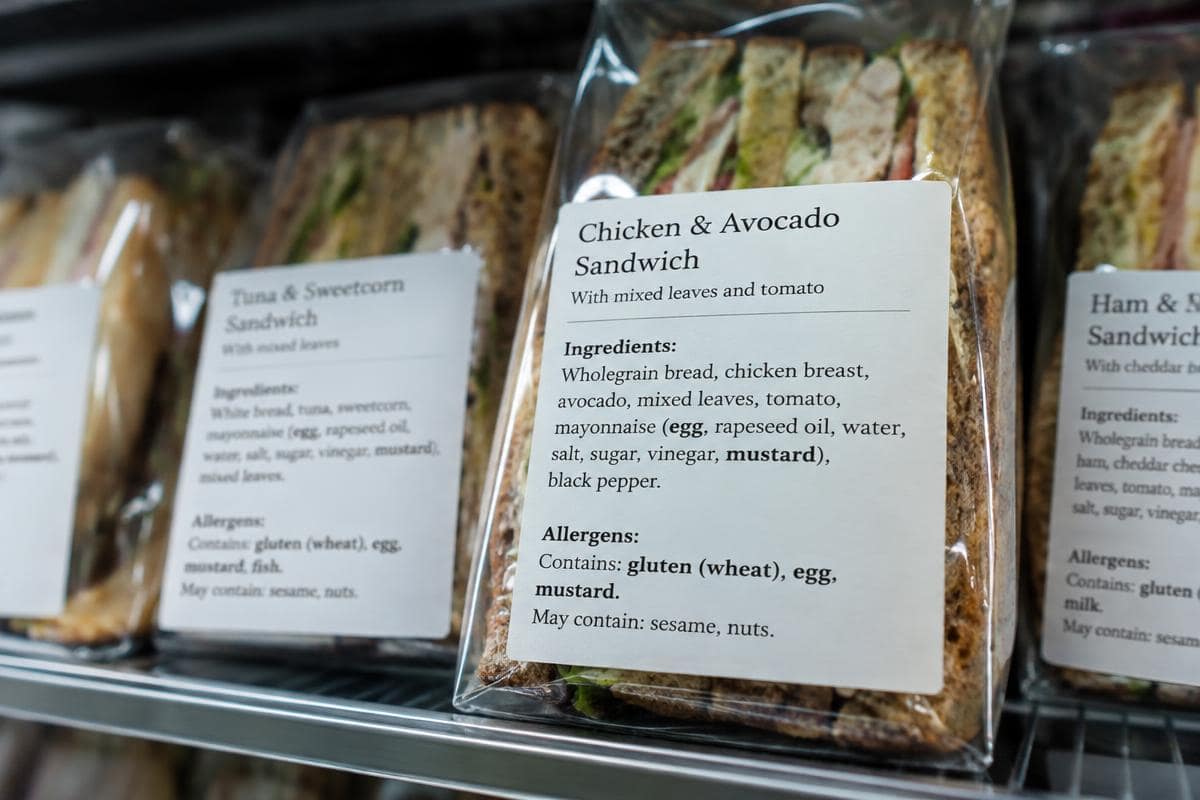
Natasha's Law & Food Labelling Training
£14.99after you pass · about 30 min
Who this is for
- Supermarket and convenience store staff
- Deli and butchery counter staff
- Farm shops and greengrocers
- Bakery counter staff
Relevant topics
- Chilled and frozen storage
- Stock rotation and date codes
- Deli counter hygiene
- PPDS labelling
Typical food safety risks
Chiller temperatureOverstocked or faulty display chillers can let food warm up. The legal maximum is 8°C in England, Wales and Northern Ireland. Aim for 5°C or below, which is also what Food Standards Scotland recommends.
Date code controlSelling food past its use-by date is an offence.
Deli cross-contaminationShared slicers and scoops can spread bacteria. FSA guidance on E. coli O157 requires separate complex equipment, such as slicers and vacuum packers, for raw and ready-to-eat food.
PPDS labellingFood packed in store before sale needs a label with the name of the food and a full ingredients list, with allergens emphasised.
FAQs
Do shelf-fillers need food hygiene training?
Staff who handle only wrapped food may suit Level 1. Those who handle open food often take Level 2. Your employer decides what your role needs.
Does food wrapped at the deli counter need a label?
Food wrapped before a customer chooses it is PPDS and needs a label. Food wrapped after a customer asks for it does not need a label, but allergen information must be available.
Our certificates are private training certificates of completion, not regulated qualifications. UK law does not require one specific food hygiene certificate. It requires food handlers to be supervised and instructed or trained appropriately. Employers decide what training each role needs, and a certificate does not replace practical instruction or supervision.