Allergens
Understanding Natasha's Law
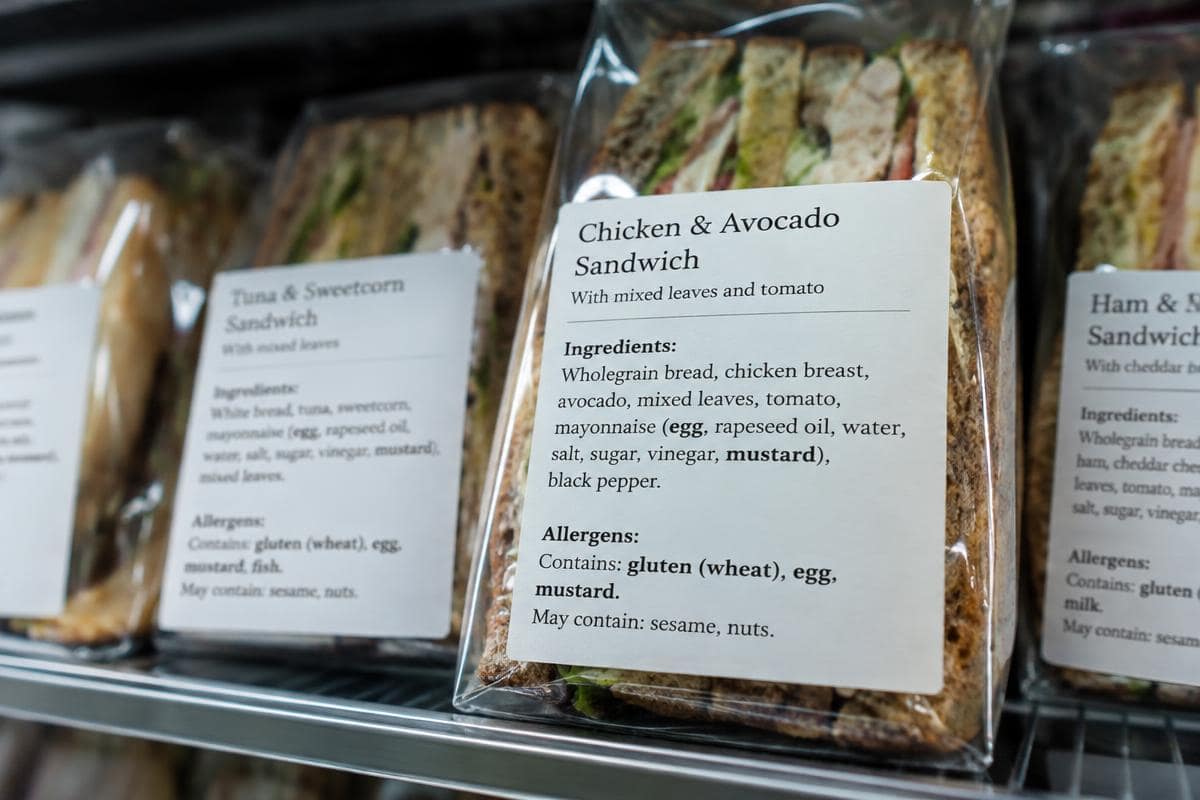
Natasha's Law requires food prepacked for direct sale (PPDS) to show its name and a full ingredients list with allergens emphasised.
By the Food Hygiene Hub team · 2 min read
The short answer
Natasha's Law is the UK rule that food prepacked for direct sale (PPDS) must show the name of the food and a full ingredients list, with the 14 allergens emphasised. It has applied in England, Wales, Scotland and Northern Ireland since 1 October 2021. It is named after Natasha Ednan-Laperouse, who died in 2016 after an allergic reaction to food that did not list its ingredients.
What changed?
Before 2021, food packed by the business selling it did not need an ingredients list on the pack. Since 1 October 2021, PPDS food must carry the name of the food and a full ingredients list with the 14 allergens emphasised. Meat products also need a percentage for the meat, known as QUID, with some exemptions.
What is PPDS food?
PPDS food is packed by a business before it is offered for sale, and sold by that same business to the final consumer. It must be sold from the same premises, the same site or the business's own moveable or temporary outlet, such as a market stall. Examples include:
- Sandwiches made and wrapped in the morning
- Salad boxes in a chiller
- Cakes in cling film
- Cartons of chips placed under a hot lamp before a rush
What is not PPDS?
These foods are not PPDS:
- Food packed after the customer orders it: allergen information must be available instead
- Unpackaged food, or food on an open tray: allergen information must be available instead
- Food packed by one business and sold by another: this is prepacked food and needs a full label
- Food sold only online, by phone or by mail order: allergen information must be available before purchase and at delivery
How do you stay compliant?
Labels go wrong when things change. Keep recipes and specifications up to date, check deliveries for substitutions, and train everyone who makes labels. Label one product at a time, and remove old labels when a recipe changes.
Our certificates are private training certificates of completion, not regulated qualifications. UK law does not require one specific food hygiene certificate. It requires food handlers to be supervised and instructed or trained appropriately. Employers decide what training each role needs, and a certificate does not replace practical instruction or supervision.
Relevant training
Food Labelling · Specialist
Natasha's Law & Food Labelling Training
£14.99after you pass · about 30 min